Desk 05 · Podcast Corner
Podcast Corner
Where community radio meets the podcast: the odd naming history, the RSS plumbing underneath and how small stations carry shows beyond the dial.
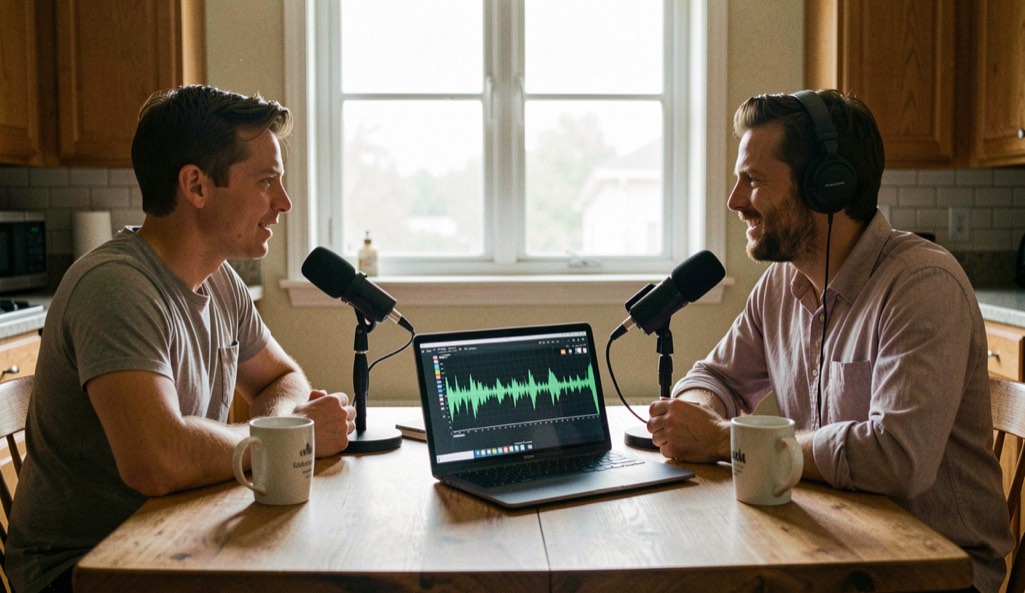
A 100-watt signal ends at the county line, but its recordings do not. This desk covers the online afterlife of community programming: how the word “podcast” was coined for a technology the stations were already edging toward, how an RSS enclosure quietly became the distribution system of the medium, and how small stations and neighborhood producers share microphones, editing habits and feed plumbing.
We keep the desk practical. The workshop guide pairs every studio habit with its podcast equivalent, and the naming story doubles as a primer on how the pieces fit. Stations that want the broadcast side of audio should read the studio budget guide alongside it.
In this desk
-

Tezuka, Otomo, Shirow: anime’s founding authors
Classic anime and manga rest on a small group of Japanese authors.
-

Inside a Paris gallery: what visitors never see
A gallery owner spends most of the week not selling art.
-

Antique clocks: how to start, date and restore
Start with one clock that runs. A weight-driven shelf clock or a simple spring-driven mantel clock from the 1840s to the 1920s is common, repairable, and cheap enough that a mistake does not hurt.
-

The Cut in Sound: Editing Radio Pieces Like a Film Editor
The volunteer trimming an interview is doing the oldest craft in cinema, and the film editor’s vocabulary is the fastest way to learn it.
-

The Discipline of Listening a Studio Teaches
Listening is the volunteer’s real instrument, and the people who have trained attention longest are not broadcasters at all.
-
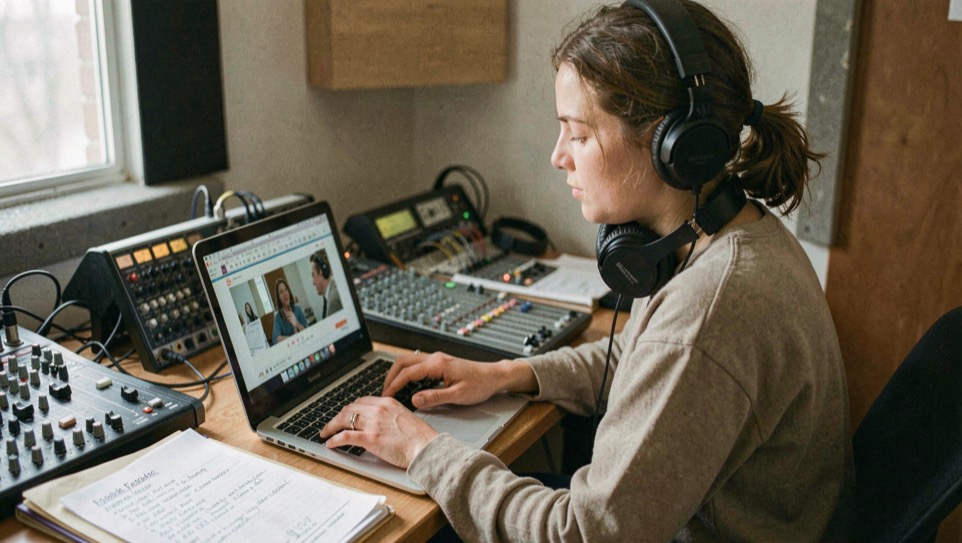
Turning a station into a podcast workshop
A station that treats every broadcast as a recording gains a second audience that never touches the dial, and the studio it already owns is most of the way there.
-
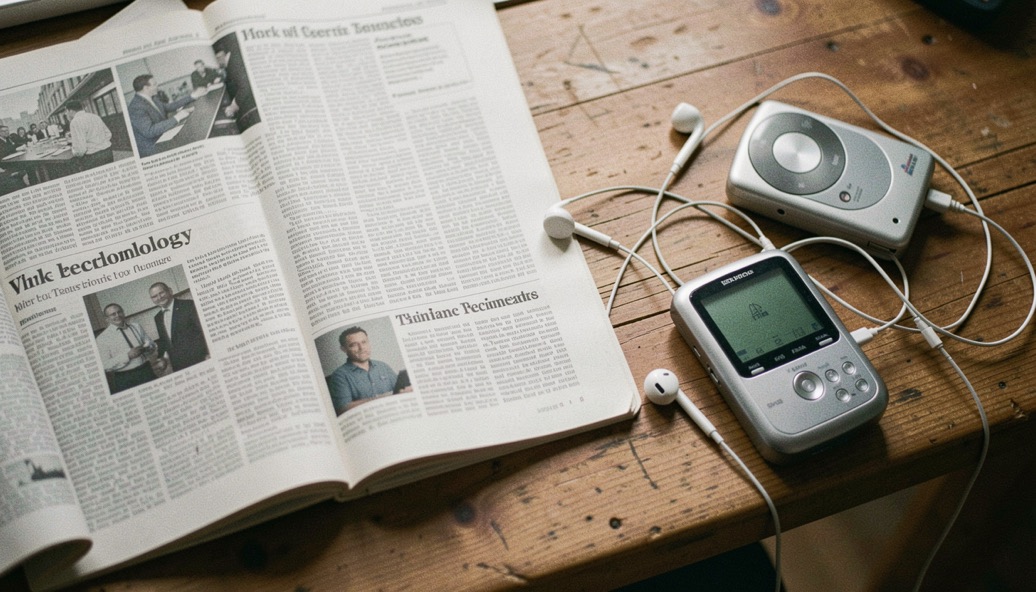
How the podcast got its name
The medium was older than its name, the name was a joke that stuck, and both facts tell you everything about how community audio actually spreads.
Two neighbouring desks extend this one: Stations Near You and Start a Station. The magazine’s method is stated on the editorial policy page.