Desk 01 · Stations Near You
Community radio stations near you
How to find low-power and community stations on any FM dial in the United States: the band they occupy, the directories that list them and what they sound like.
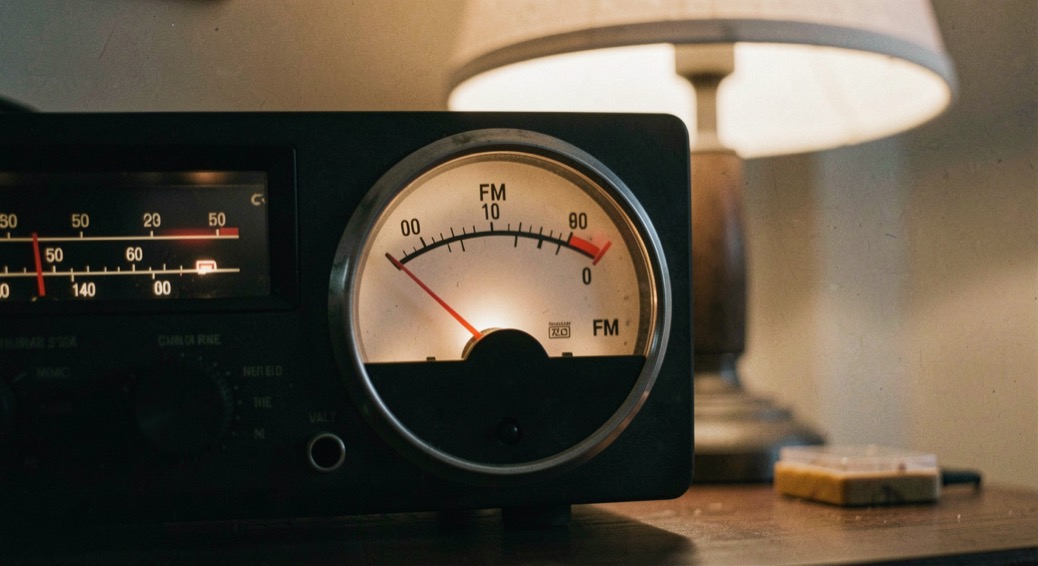
Between the network affiliates and the commercial repeaters, the American FM band hides more than a thousand low-power stations: campus broadcasters, church services, high school sports, bilingual talk, grass-roots music shows. This desk is the magazine’s listening guide. It explains where those signals sit on the dial, how to list and map them with the FCC’s own database and the volunteer directories that track them, and what a first-time listener should expect from a 100-watt signal.
We treat the dial as a place with a geography. The reserved band from 88.1 to 91.9 MHz belongs to educational broadcasting, the non-reserved band from 92.1 to 107.9 MHz is where low-power FM was placed, and every occupied tenth of a megahertz has a story. Our guide to what 100 watts buys explains why those signals are small on purpose, and the history of the pirate movement explains why they exist at all.
In this desk
-

SyBrowser: a Mac SQL client from 1999
SyBrowser was a shareware SQL client for the Mac, first released on August 17, 1999 by MacSOS Pty Ltd, the Sydney software workshop of Dr Gerard Hammond.
-

Reading SMART, RAM and voltage sensors
A memory test, a SMART readout and a voltage sensor each answer a narrow question, and none of them declares a machine healthy on its own.
-

ABAP basics: syntax, data types, keyword index
ABAP statements follow a fixed pattern: a keyword first, then operands, then a period.
-

Diagnose a slow PC before replacing it
A slow or noisy computer is not automatically a dead one.
-

What community radio can learn from France’s independent record culture
A small station and a small label are the same institution wearing different licenses: both exist to keep a local scene audible when the market will not.
-

Putting a Hometown Festival on the Air: Cameras, Streams and Rights
The annual parade passes once, and a community station that is not ready for it watches the most local hours of the year go by in silence.
-

Getting a Civic Event on the Air: What a Community Station Can Do With a Published Calendar
The cheapest hour on a community station’s schedule is written by the town itself, in the calendar of fairs, breakfasts and lodge suppers nobody else broadcasts.
-

Five Working Days: Records Requests for a Two-Person Newsroom
The smallest newsroom in town has the same right to the town’s paperwork as the biggest one, and the state wrote the answer into statute.
-

What a Field Trial Teaches a Remote Broadcast
A retriever trial is a broadcast school disguised as a dog sport: a published order, fixed stations, judges, weather and a results sheet at sundown.
-

Reading the Development File Your Town Filed
The biggest local story of the decade is usually a stack of clearances and land allotments, and the newsroom that reads the file owns the story.
-
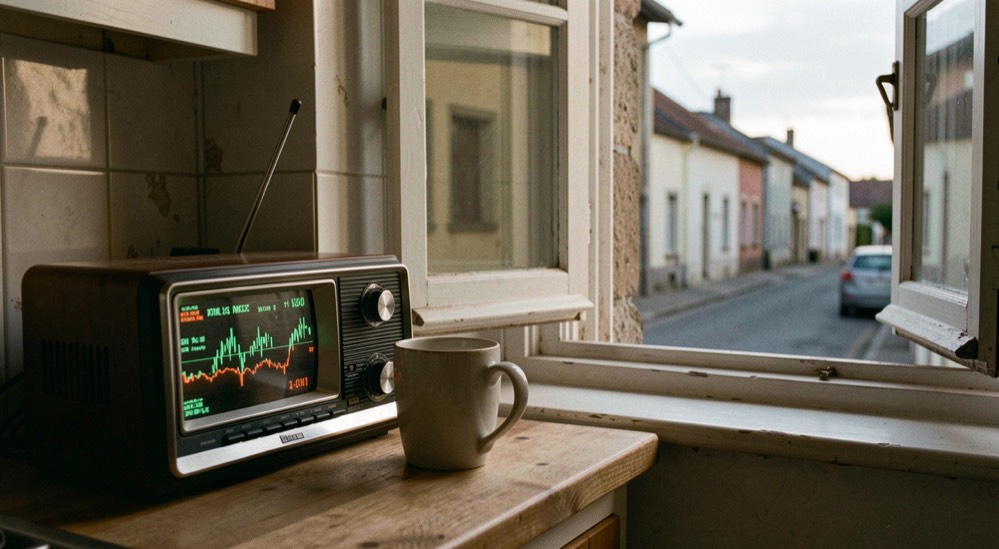
What a 100-watt station sounds like
A low-power signal has a texture of its own: strong at the center of town, noisy at the county line, and programmed with a freedom no ratings-driven operator would dare.
-
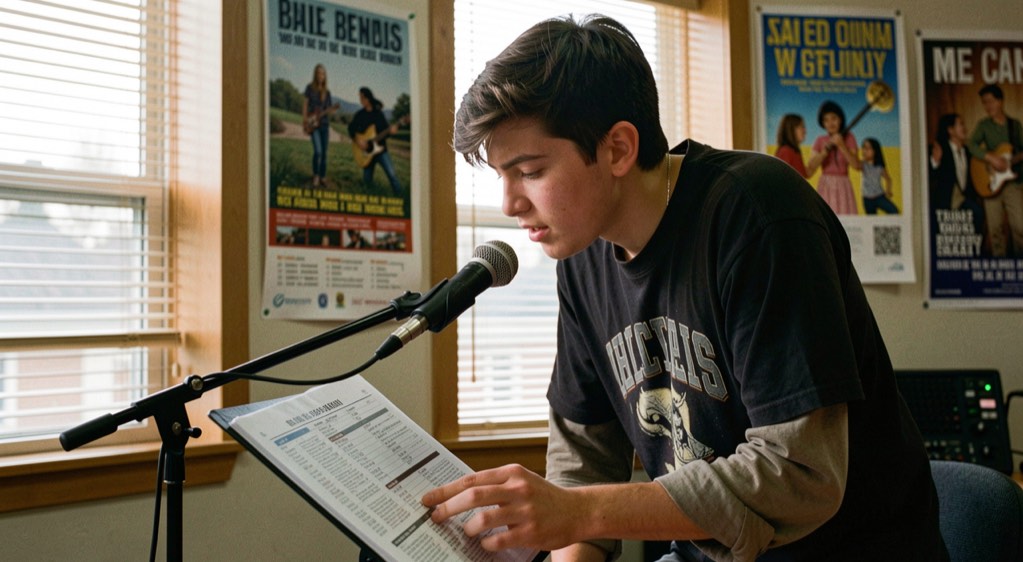
Campus radio and the reserved band
The bottom of the FM band was set aside for education before most of the rest of the dial was filled, and the college stations that grew there shaped what American community radio sounds like.
-
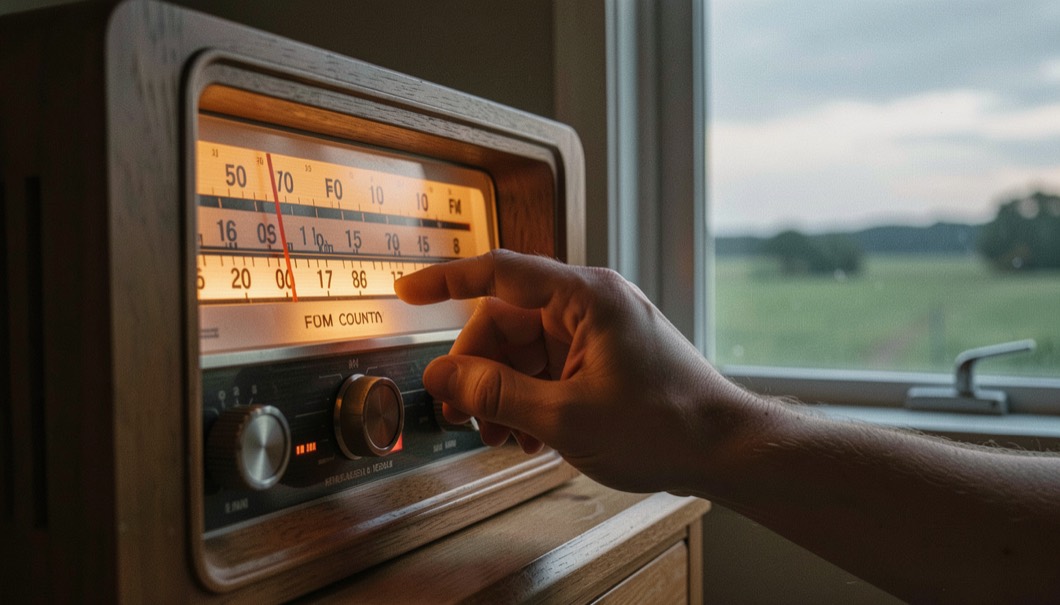
How to find a community station on the dial
Every county in America has more radio on it than the commercial logos suggest, and finding a low-power community station is mostly a matter of knowing where on the dial and in which database to look.
Two neighbouring desks extend this one: Start a Station and LPFM Rules Made Simple. The magazine’s method is stated on the editorial policy page.