Desk 02 · Start a Station
How to start a community radio station
The road from listening to broadcasting: forming a group, winning an LPFM construction permit, building a studio and a transmitter site on a volunteer budget.
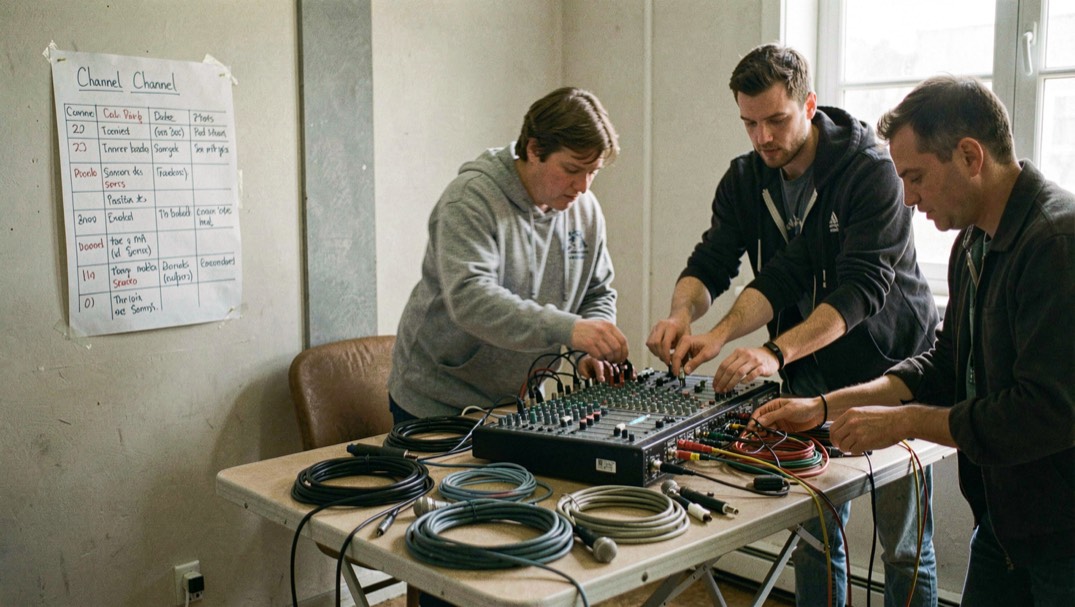
A low-power station does not begin with a transmitter. It begins with a group that can prove it has served its community, with a channel that the interference rules leave open, and with an application filed inside a filing window that may stay shut for years at a time. This desk walks the whole road in order: forming the kind of organization the FCC will accept, reading the channel finder, surviving the point system, building out once the construction permit arrives.
The roadmap article is the magazine’s signature resource, and every other desk leans on it. When the rules seem abstract, read them in the point system explained simply; when the money questions start, our studio budget guide keeps the numbers honest.
In this desk
-

Crochet basics: hook, chain, and pattern reading
Hold the hook in your dominant hand the way you hold a pencil or a knife, with the thumb and index finger pinching the flat grip just below the head.
-

Watercolor washes, glazing, and muddy color
A flat wash is laid on paper that is already damp or on dry paper with a fully loaded brush, working in even bands from top to bottom and never going back over a band that has started to dry.
-

Hot Iron: Stretch, Upset, Bend, Punch, Forge Weld
Hot iron work is the set of moves a smith makes while steel is above its recrystallization temperature: drawing out, upsetting, bending, punching, and forge welding.
-

Run by Volunteers: What Keeps a Community Signal on the Air
A community station and a regional writers chapter are the same machine wearing different missions, and the machine has been studied for a century.
-

What a Station Can Do for the Shelter Next Door
The shelter three miles away has animals nobody sees; the station has three miles of ears. The pairing is the oldest public service in radio.
-
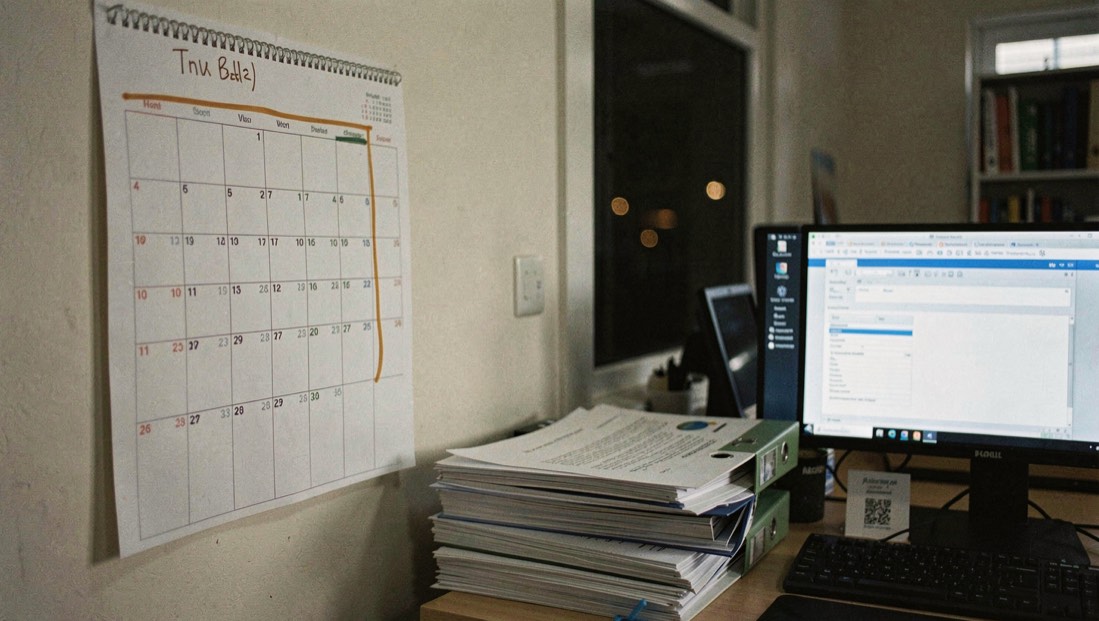
FCC application windows, explained
The strangest feature of the LPFM world is its calendar: you cannot apply when you are ready, only when the FCC opens a window, and the winners are almost always the groups that prepared during the closed years.
-
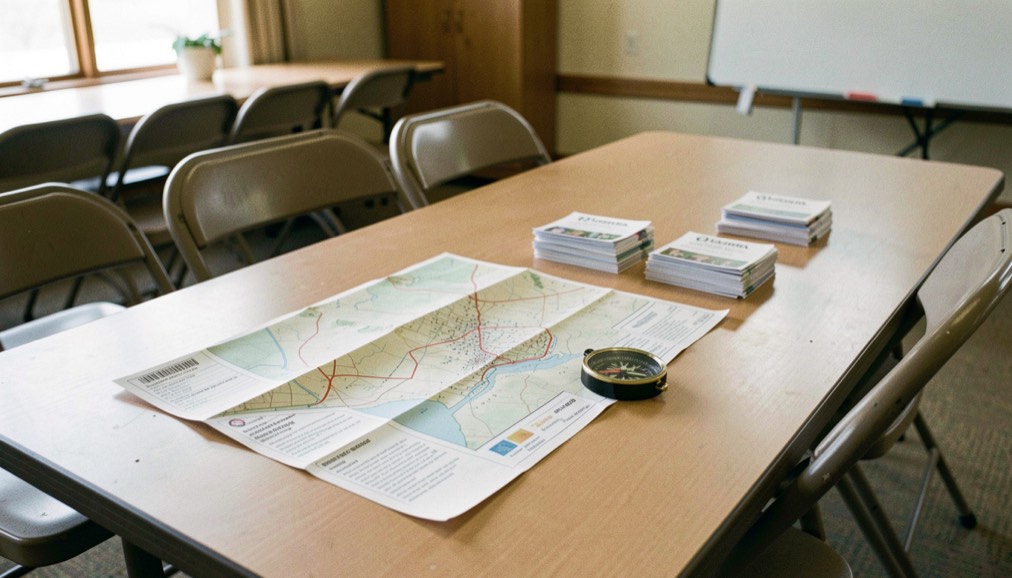
Start an LPFM station: the full roadmap
Between a kitchen table full of interested people and a licensed 100-watt signal lies one application, one point race and one buildout, and every step of that road can be prepared before the filing window opens.
-
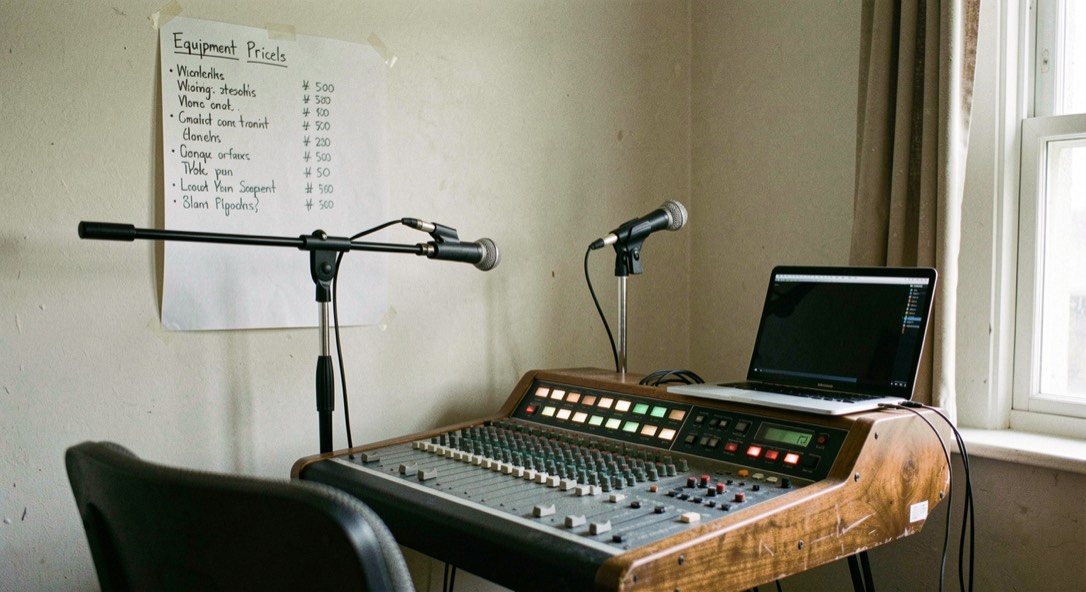
Building a studio on a community budget
The transmitter is one purchase among many, and rarely the trickiest: a workable low-power station is built from patient shopping, donated rooms and a budget that respects the license clock.
Two neighbouring desks extend this one: Stations Near You and LPFM Rules Made Simple. The magazine’s method is stated on the editorial policy page.