Start a Station
Start an LPFM station: the full roadmap
Between a kitchen table full of interested people and a licensed 100-watt signal lies one application, one point race and one buildout, and every step of that road can be prepared before the filing window opens.
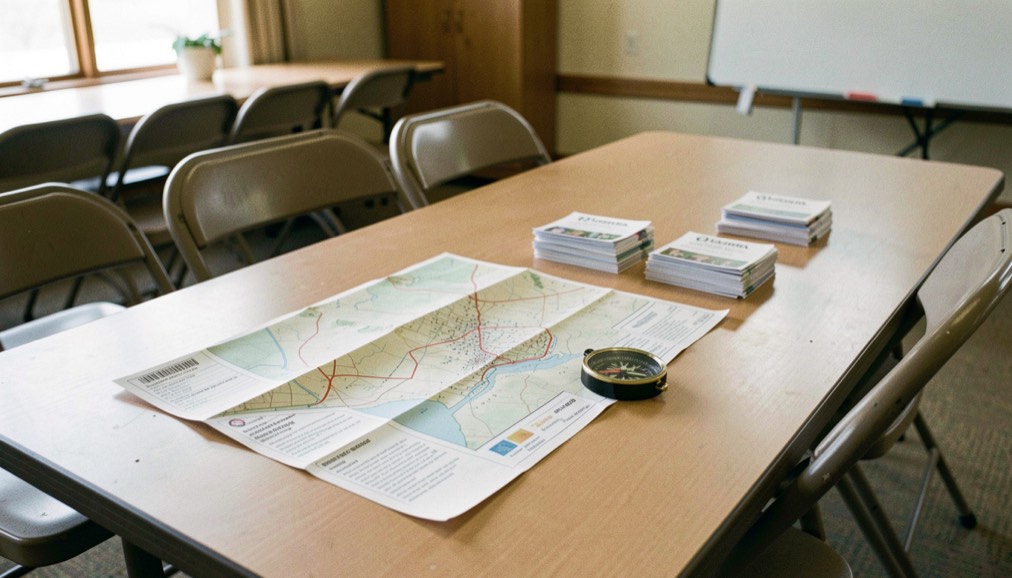
Every low-power station on the air today traveled the same road, and the road is knowable. The Federal Communications Commission created the LPFM service in January 2000 to license exactly these small civic stations, 100-watt noncommercial broadcasters with a reach of a few miles, and more than a thousand of them hold licenses now. The steps below are the ones every founding group walks, in the order they must be walked, with the honest time each one takes.
Step one: become an organization the FCC can license
LPFM licenses are issued only to noncommercial educational entities: an incorporated nonprofit, a school, a church, a local government or, in most states, an unincorporated association with the paperwork in order. This is the step groups underestimate. The FCC’s selection criteria favor applicants who existed and served the community before the filing window opens, so a group formed last month scores lower than the neighborhood association that has run a food pantry for six years. Get an employer identification number, write bylaws, keep minutes, hold public events and document them. The point system guide shows precisely which organizational facts earn points, and a year of ordinary good work is usually the cheapest way to earn them.
Step two: find a channel that can actually be licensed
Interference protection decides everything. A new LPFM must not collide with existing stations on the same channel or the adjacent ones, and it must respect other protected services, which is why whole counties can appear full while a neighboring one has room. The FCC publishes a channel finder in LMS, and volunteer services such as REC Networks rank the openings. Expect to study second-adjacent spacings and the odd 10 kHz offsets explained in our protections and offsets guide. If the home town is full, the answer is sometimes a nearby unincorporated community of license rather than giving up the project, and sometimes it is simply patience, because a translator moves or a station goes silent and a channel opens. Never file for a channel an engineer has not blessed; a mutually exclusive application loses years.
Step three: win the window
You cannot file whenever you like. The FCC opens LPFM filing windows for a few days or weeks at a time, sometimes years apart, as our window guide records: the 2013 window ran from October 15 to November 14 and drew more than 2,800 applications for channels nationwide. When a window is announced, the application goes in electronically on FCC Form 318, the point system adjudicates any contests, and winners receive a construction permit. Preparation is the whole game: the group, the channel study, the tower site option and the governing documents should be finished before the window opens, because a filing window is no time to learn the rules.
Step four: build it, on time and on budget
A construction permit is a deadline with a map attached. The station must be on air within the permit’s buildout period, eighteen months under the standard broadcast clock, and the buildout has a physical half and a civic half. Physically: a transmitter of up to 100 watts, an antenna on a tower or an existing tall structure, coax, a studio transmitter link, and a modest studio of mixers, microphones and a computer. Volunteer project budgets commonly land between ten and thirty thousand dollars depending on tower work, and our studio budget guide walks the line items. Civically: recruit the volunteers who will keep a program schedule alive, because the FCC expects a station to broadcast a real schedule and the community expects one worth following.
Step five: hold the license like a station, not a trophy
The license rewards habits. Keep the public inspection file current, observe the noncommercial rules for underwriting described in the rules desk, log EAS practice even where the law does not compel it, as the EAS guide explains, and renew on schedule. Feed the online audience too: the podcast workshop shows how recordings outrun a 3.5-mile signal. Stations die of loneliness more often than of paperwork, so the final step of the roadmap is the oldest advice in this magazine: program the station for the neighbors, and the neighbors will keep it alive. The cheapest programming on that schedule is the town’s own calendar, as our guide to getting a civic event on the air describes, and the roster mechanics that keep it staffed are laid out in our guide to a station run by volunteers.