Desk 04 · Radio History
The history of citizen radio
Where community broadcasting comes from: Armstrong’s FM, the pirate transmitters of the 1990s, the Pacifica experiment and the law that created LPFM.
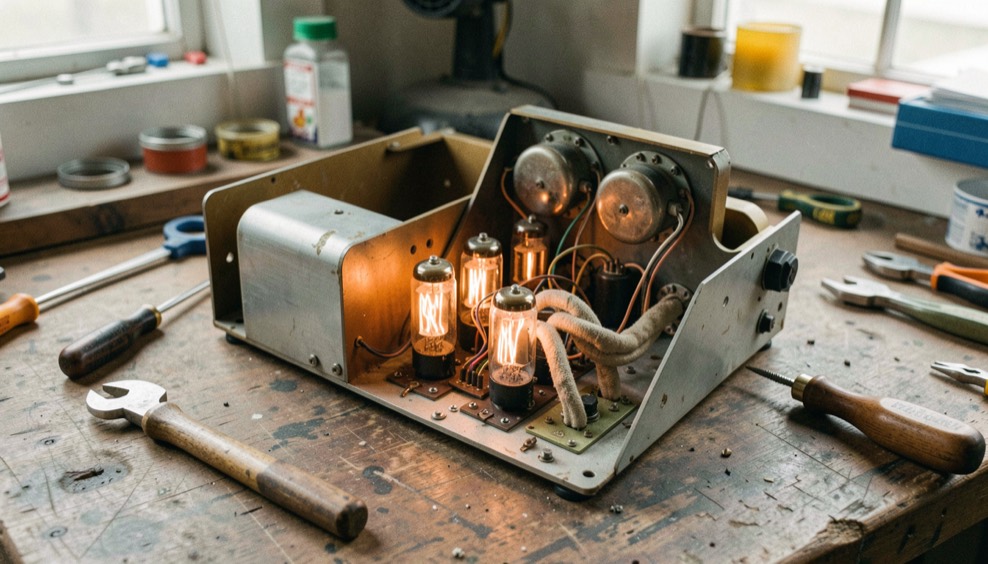
Community radio has a longer memory than its signal. This desk follows the story backward and forward: Edwin Armstrong’s stubborn invention of frequency modulation, the post-war band move that scattered the first FM listeners, the listener-sponsored experiment that began in Berkeley in 1949, and the illegal microstations of the 1980s and 1990s whose persistence shamed the FCC into creating the low-power service in January 2000.
History here is not decoration. Every rule in the rules desk exists because of an argument in this story, and the filing windows that open so rarely are the direct heirs of the 2013 window those pirates never stopped demanding.
In this desk
-

Samhain to Halloween: how the holiday began
Halloween comes from the old Celtic festival of Samhain, a late-autumn marker in Ireland and Britain that later met the Christian feast of All Saints and the American habit of carving pumpkins.
-

Free-nets: when communities ran their own networks
A free-net was a community computer system that anyone in a city could dial into, usually for free, to read local news, send messages, join forums, and look things up.
-

Reading old portraits and letters with care
A photograph and a letter are not neutral records.
-

The Village Chronicle a Station Should Keep
The town that writes itself down owns its own memory, and a village blog that started as campaign coverage is the proof small stations should study.
-
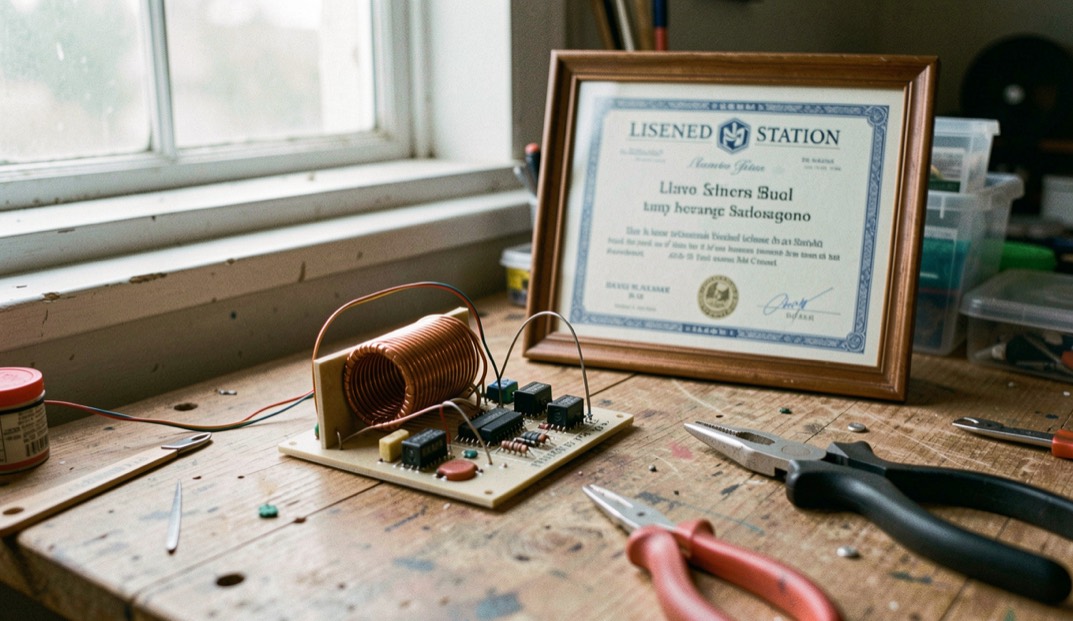
From pirate transmitters to LPFM licenses
The low-power FM service was not a government idea. It was the government’s answer to a decade of illegal transmitters that kept turning themselves back on.
-

Pacifica and listener-sponsored radio
Before LPFM, before public radio, a small group of pacifists in Berkeley invented the business model community broadcasting still runs on: the listeners pay, so the listeners decide.
-
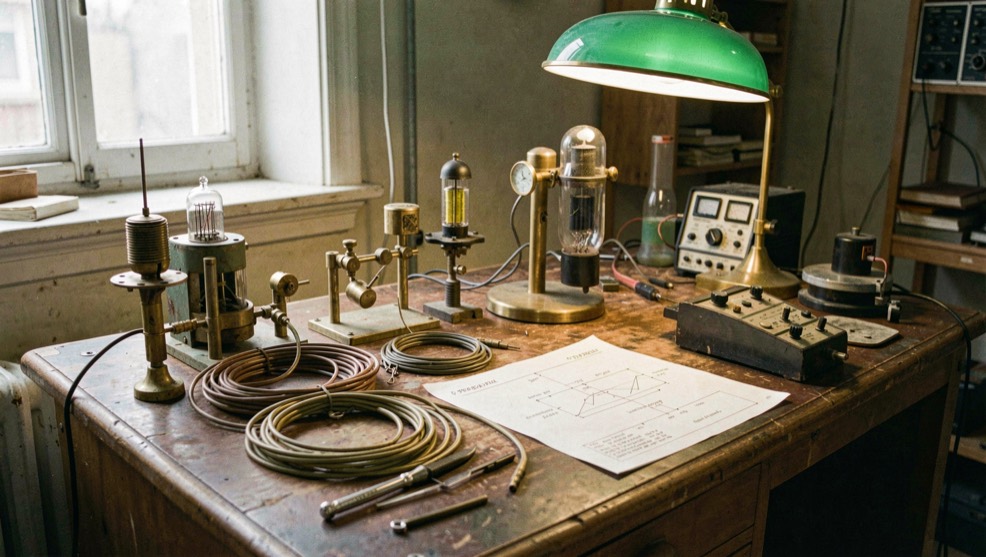
Armstrong and the invention of FM
Every 100-watt station on the dial owes its existence to one stubborn engineer who proved that static was not inevitable, and who paid for the proof with everything he had.
Two neighbouring desks extend this one: Stations Near You and Start a Station. The magazine’s method is stated on the editorial policy page.